.svg)
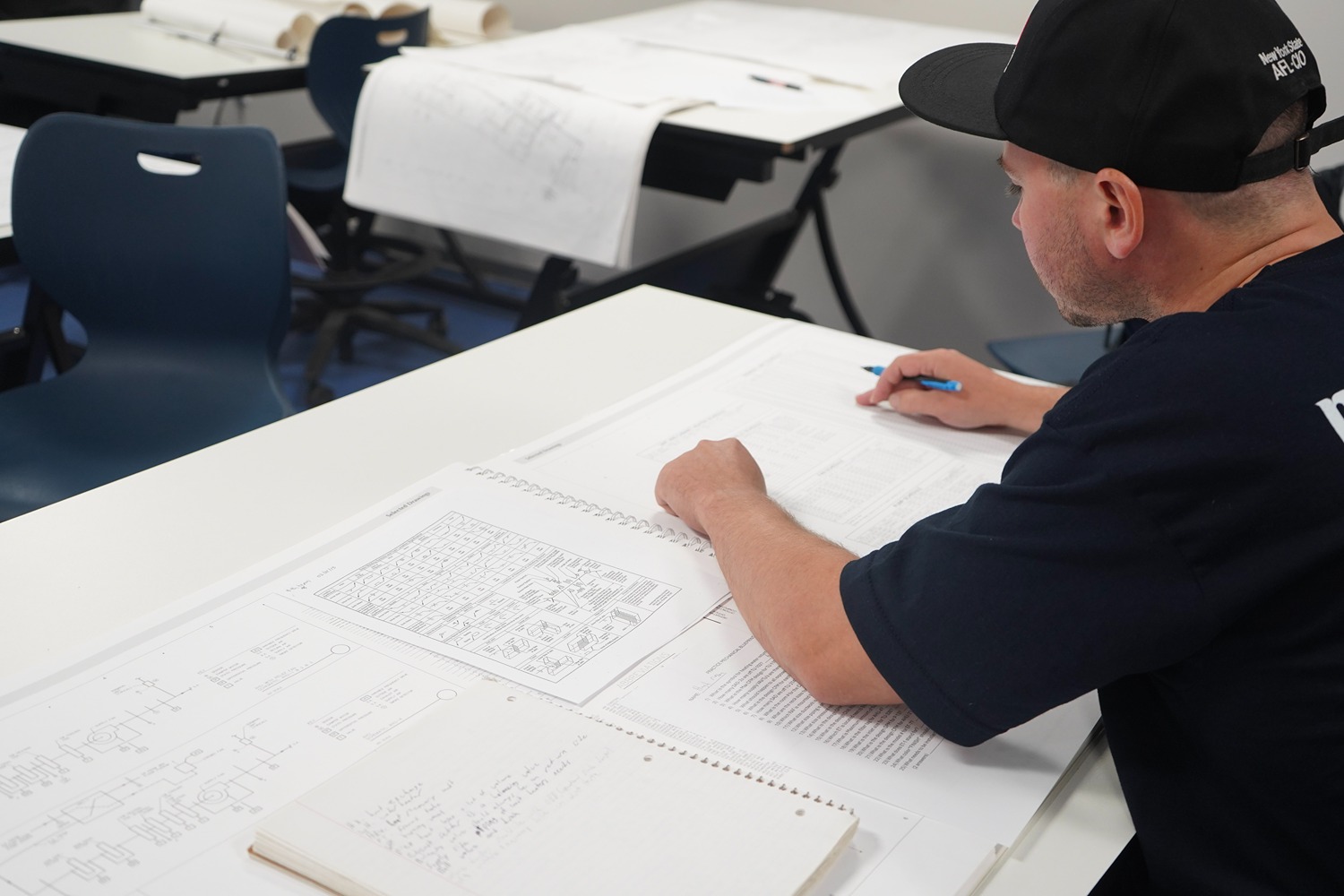
HVAC (Heating, Ventilation, and Air Conditioning)
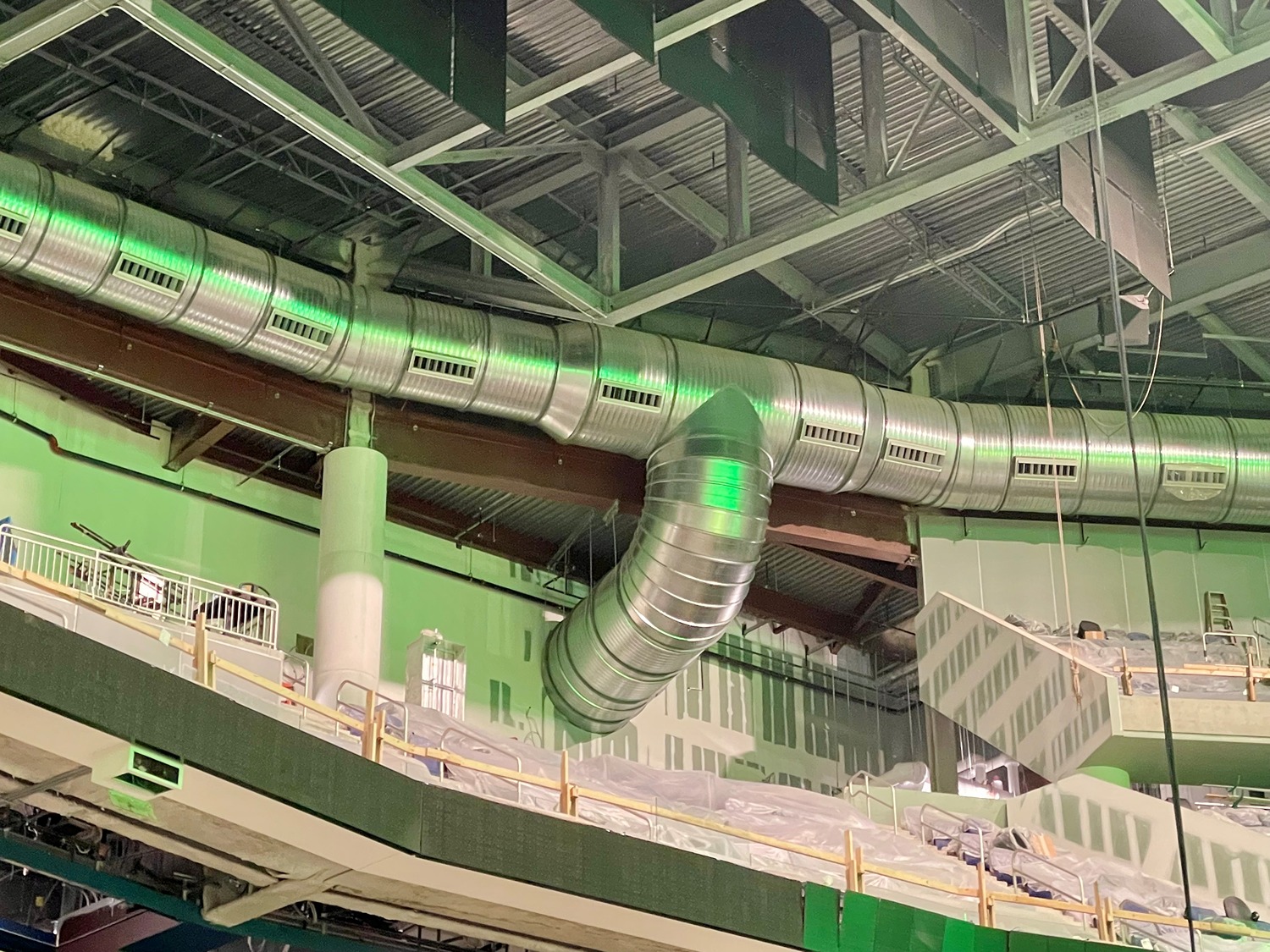
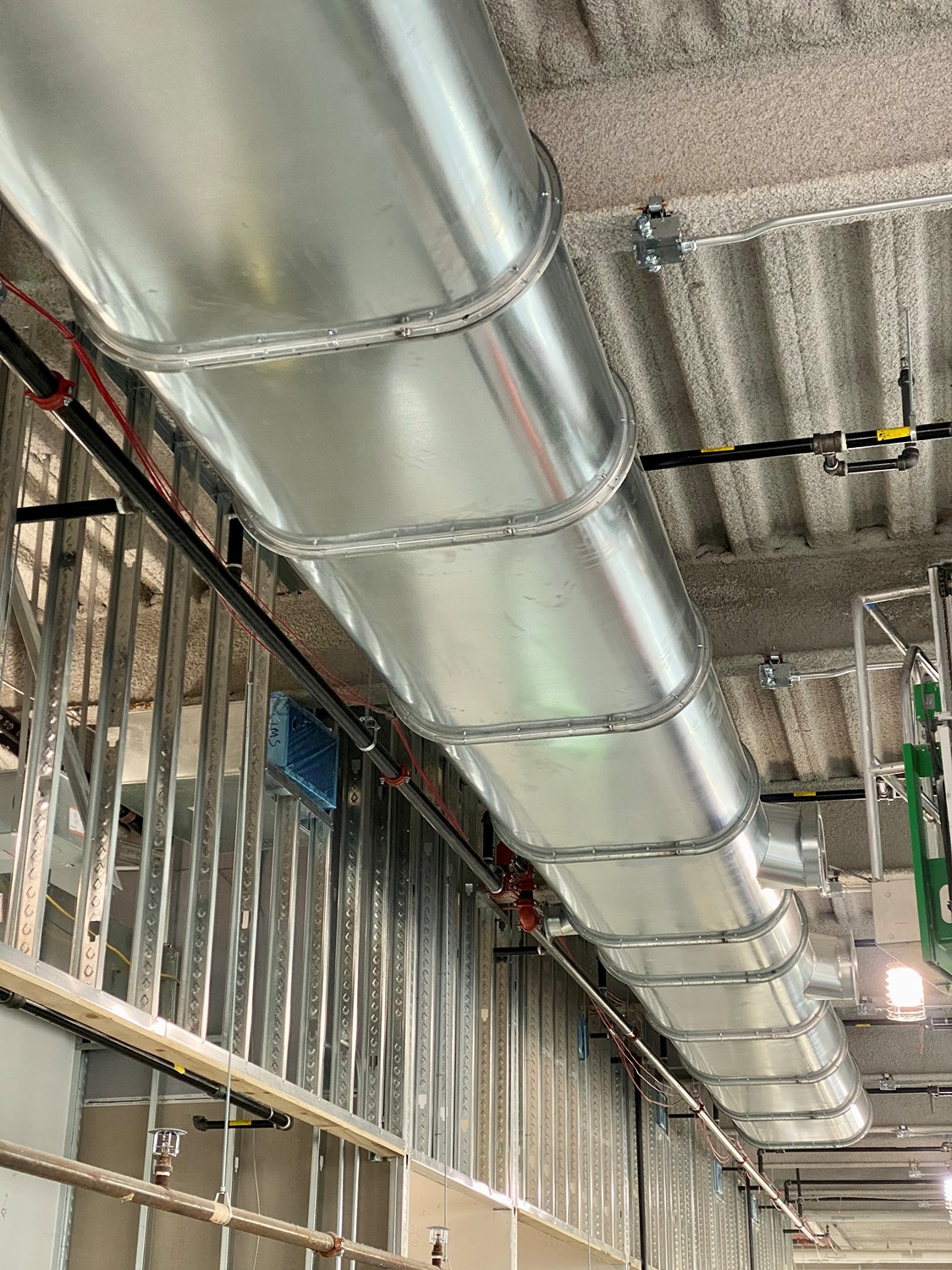
HVAC systems are essential for delivering heated and cooled air to high-volume commercial spaces such as schools, hospitals, airports, factories, and office buildings.
Opportunities in this field include:

Architectural Sheet Metal
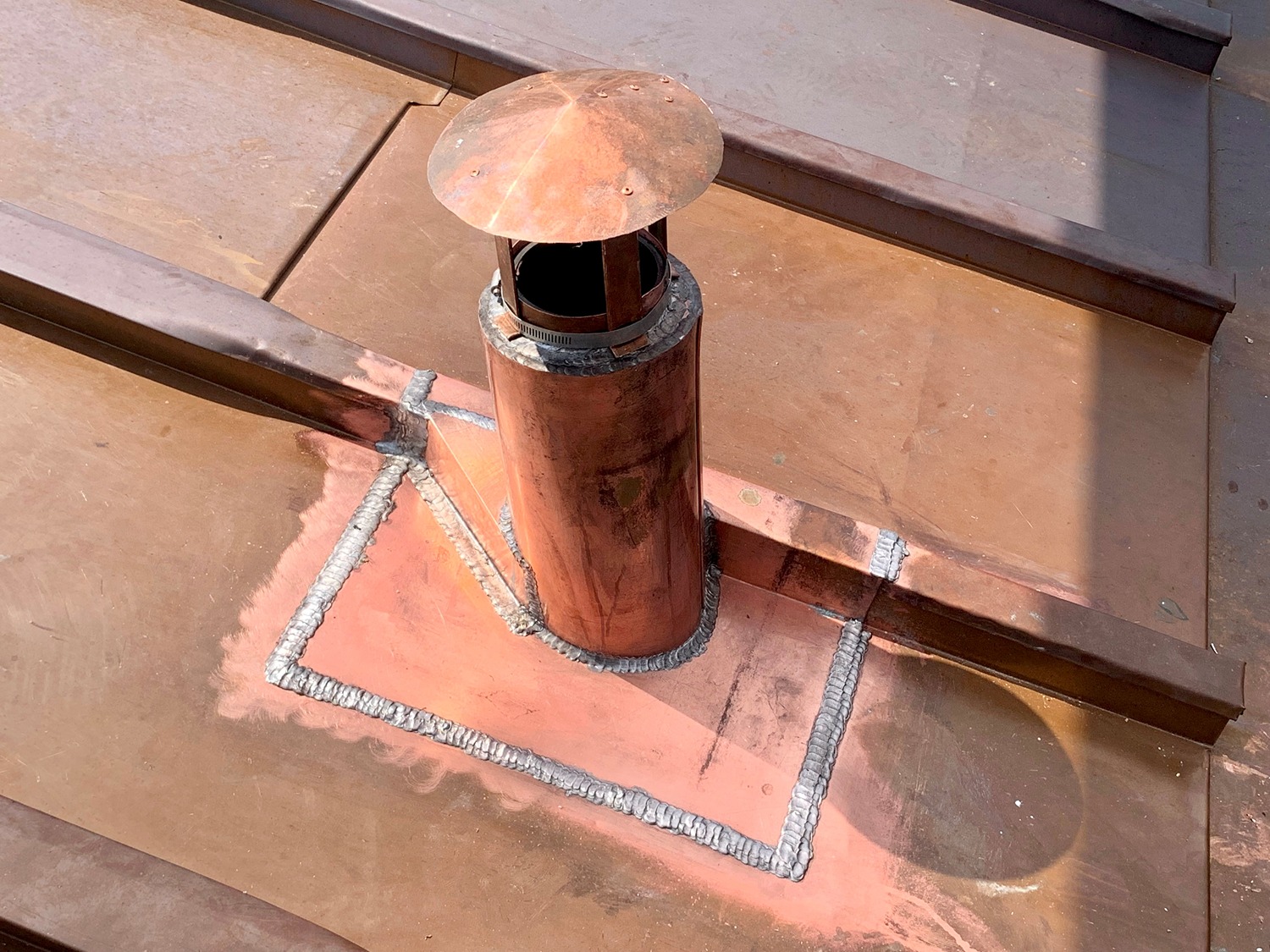
Architectural sheet metal is where technical skill meets artistry. As an apprentice, you’ll master techniques in fastening and joining, managing expansion and contraction, sealing, and controlling moisture—all critical to the appearance and longevity of buildings. Throughout your career, you may find yourself working on large commercial and industrial projects or residential jobs, each offering its own unique challenges and rewards.
Opportunities in this field include:
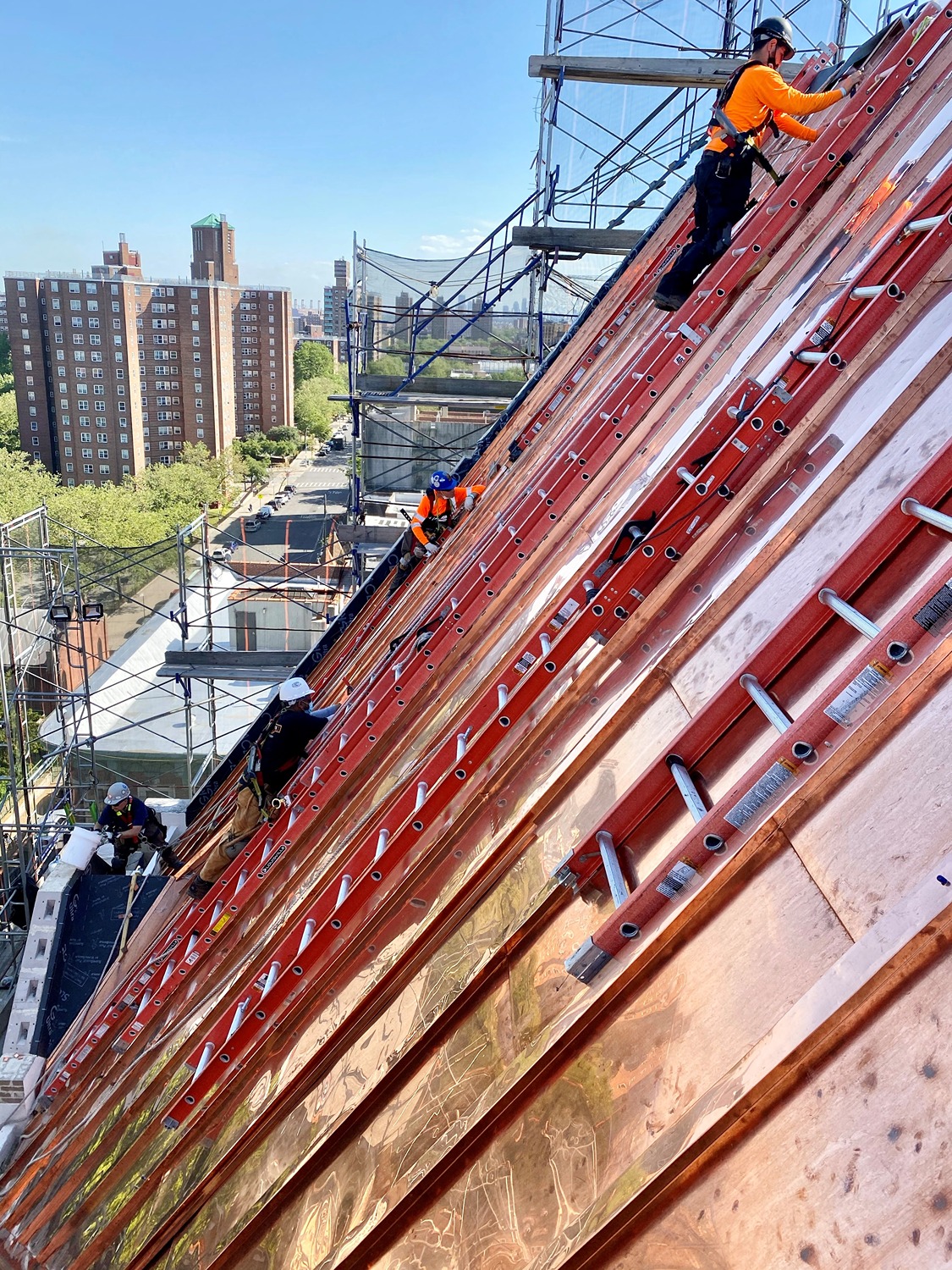
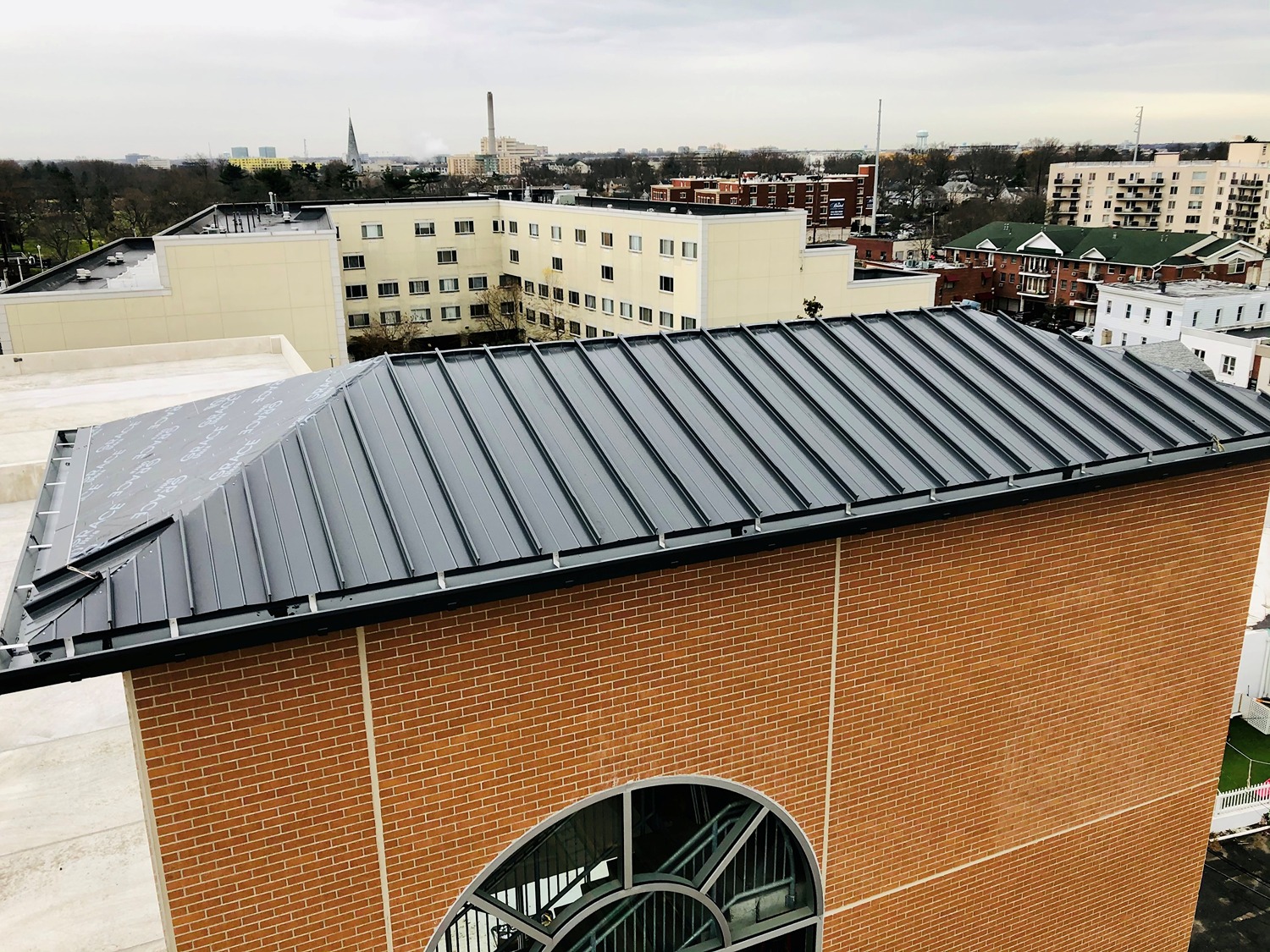
Roofing, Siding & Decking: Building the Future from the Top
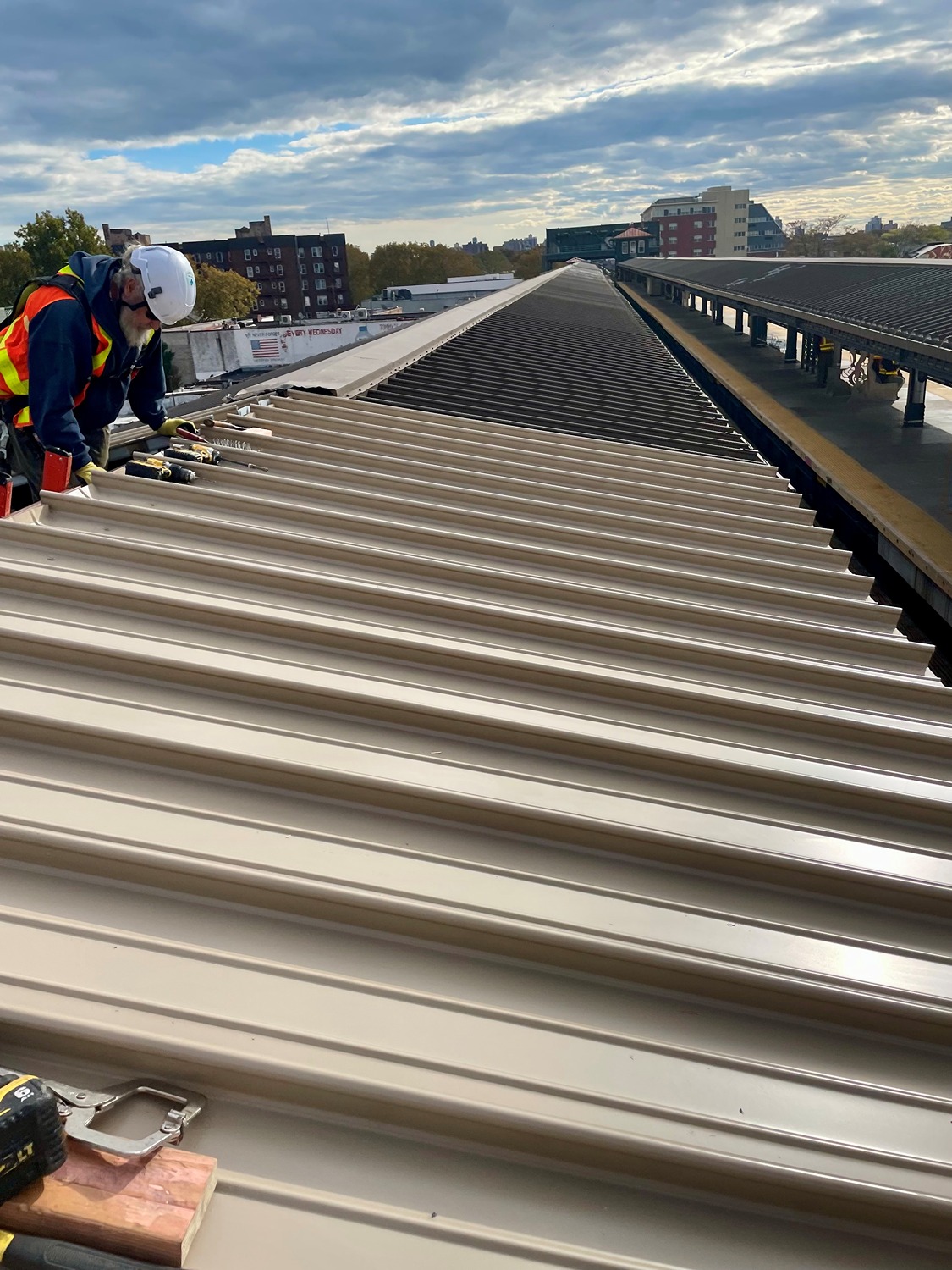
A career in roofing, siding, and decking offers hands-on work in commercial construction while keeping you active and engaged in the field. If you enjoy working outdoors and take pride in building durable, high-quality structures, this trade is a great fit!
What You’ll Learn & Do:
Career Opportunities in Roofing & Siding:
With a strong demand for skilled professionals, this field offers growth, stability, and the satisfaction of seeing your work stand the test of time!
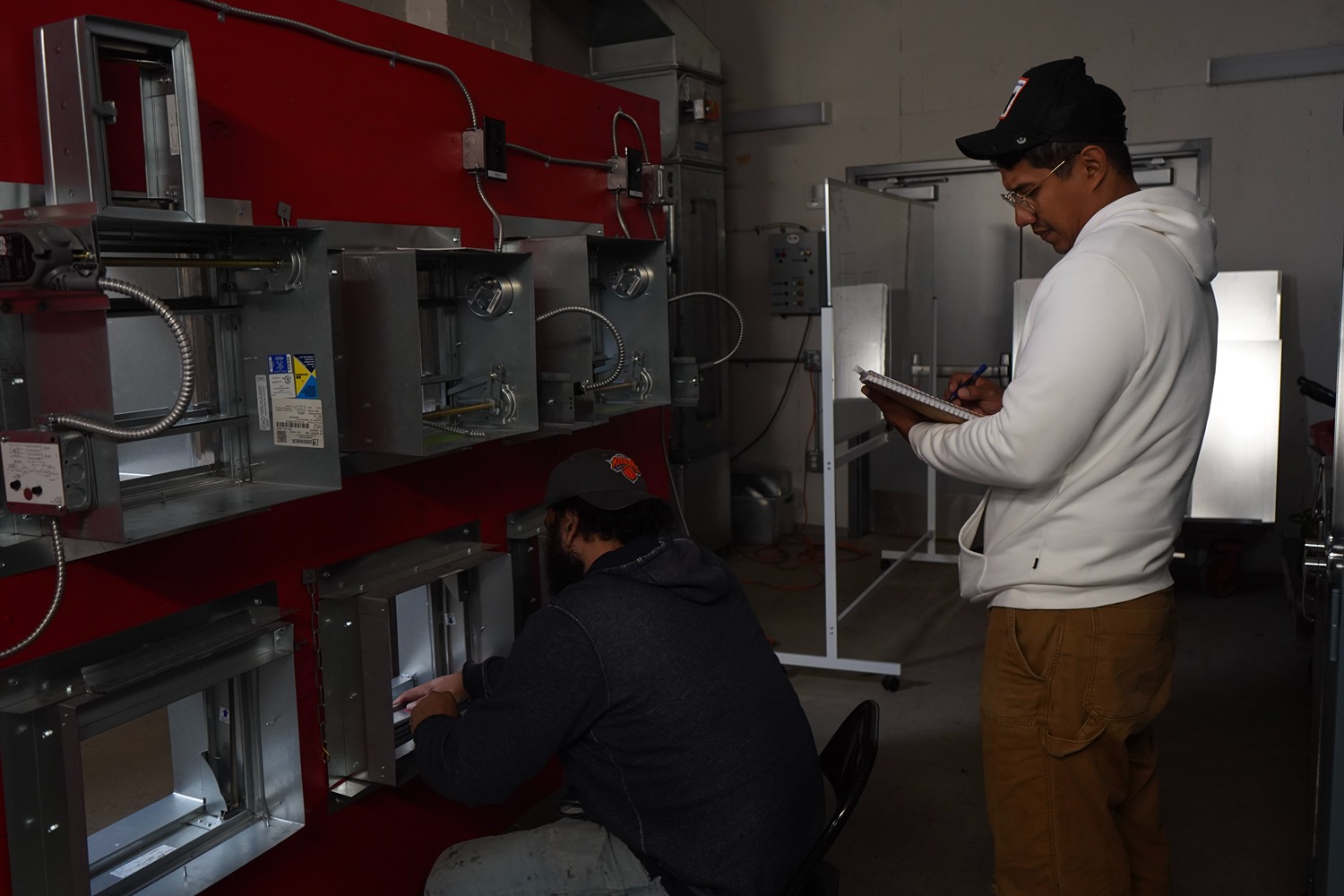
Testing & Balancing (TAB): A Critical Role in HVAC Systems
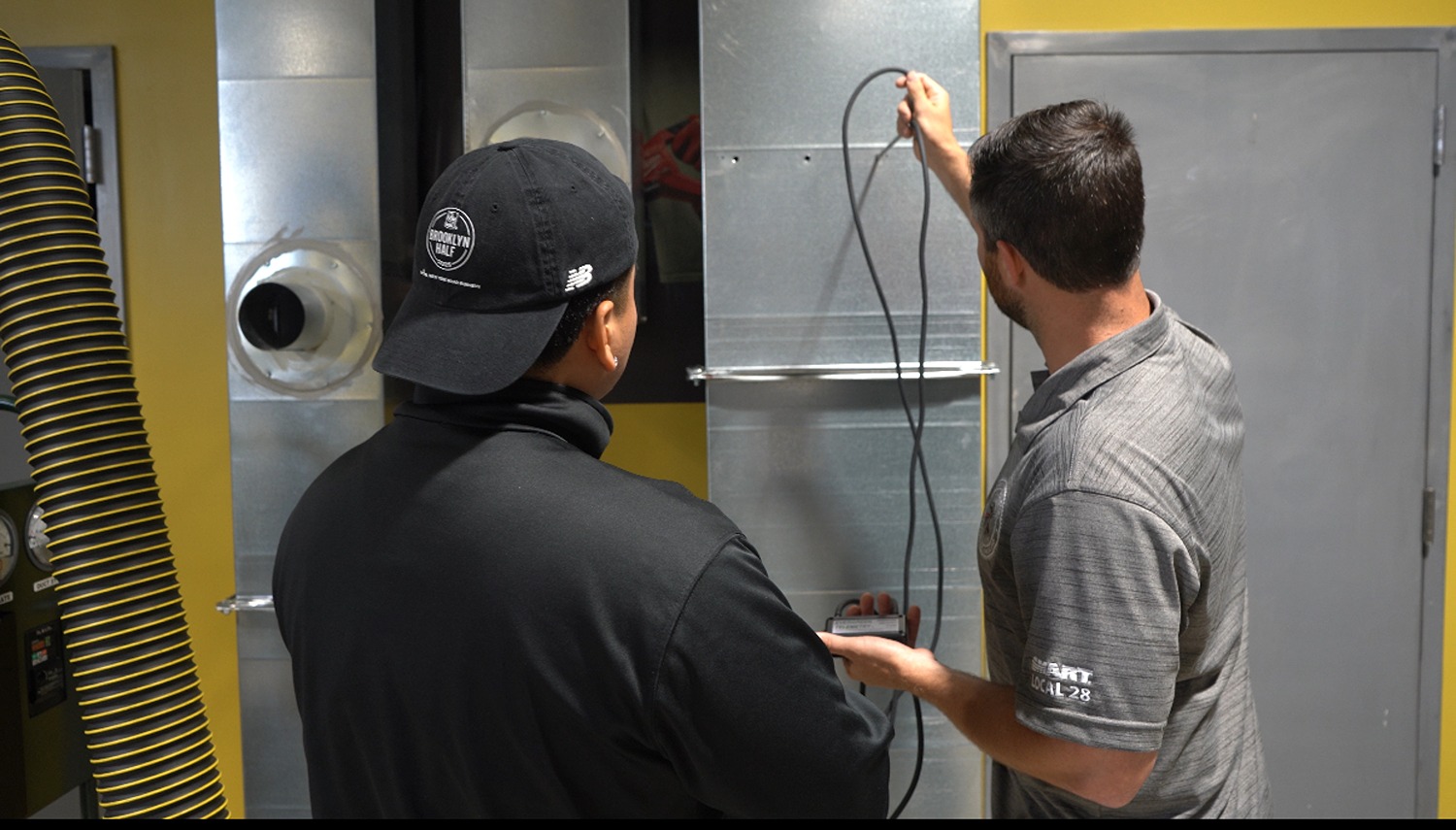
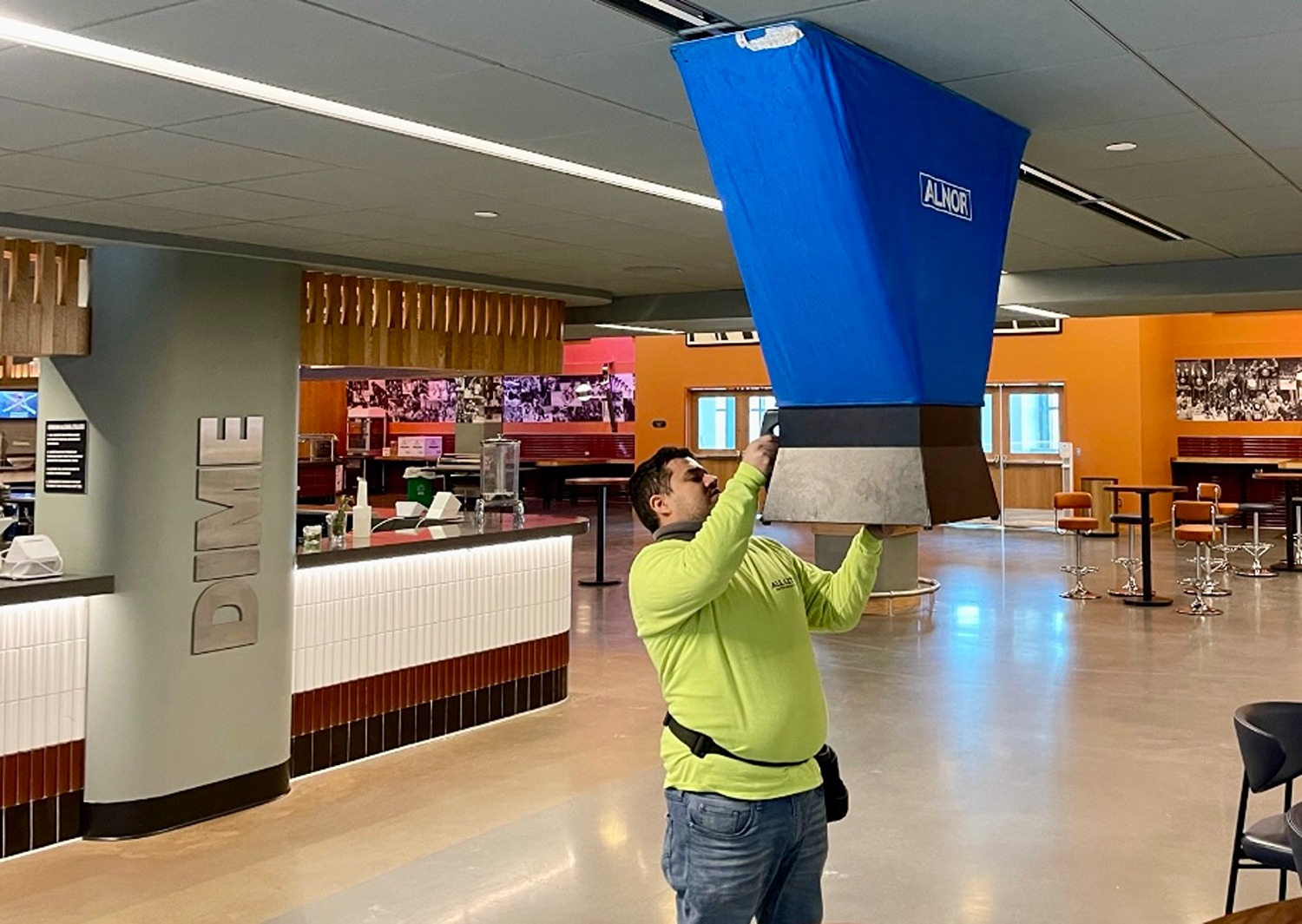
Testing, Adjusting, and Balancing (TAB) is essential to ensuring the efficient, quiet, and safe operation of air and water delivery systems in heating and air conditioning.
What Does a TAB Technician Do?
As a TAB technician, you’ll:
If you enjoy precision, troubleshooting, and working with advanced systems, TAB could be the perfect career path for you!
Career Opportunities in TAB:
With growing demand for skilled TAB professionals, this career offers exciting opportunities for advancement and specialization!
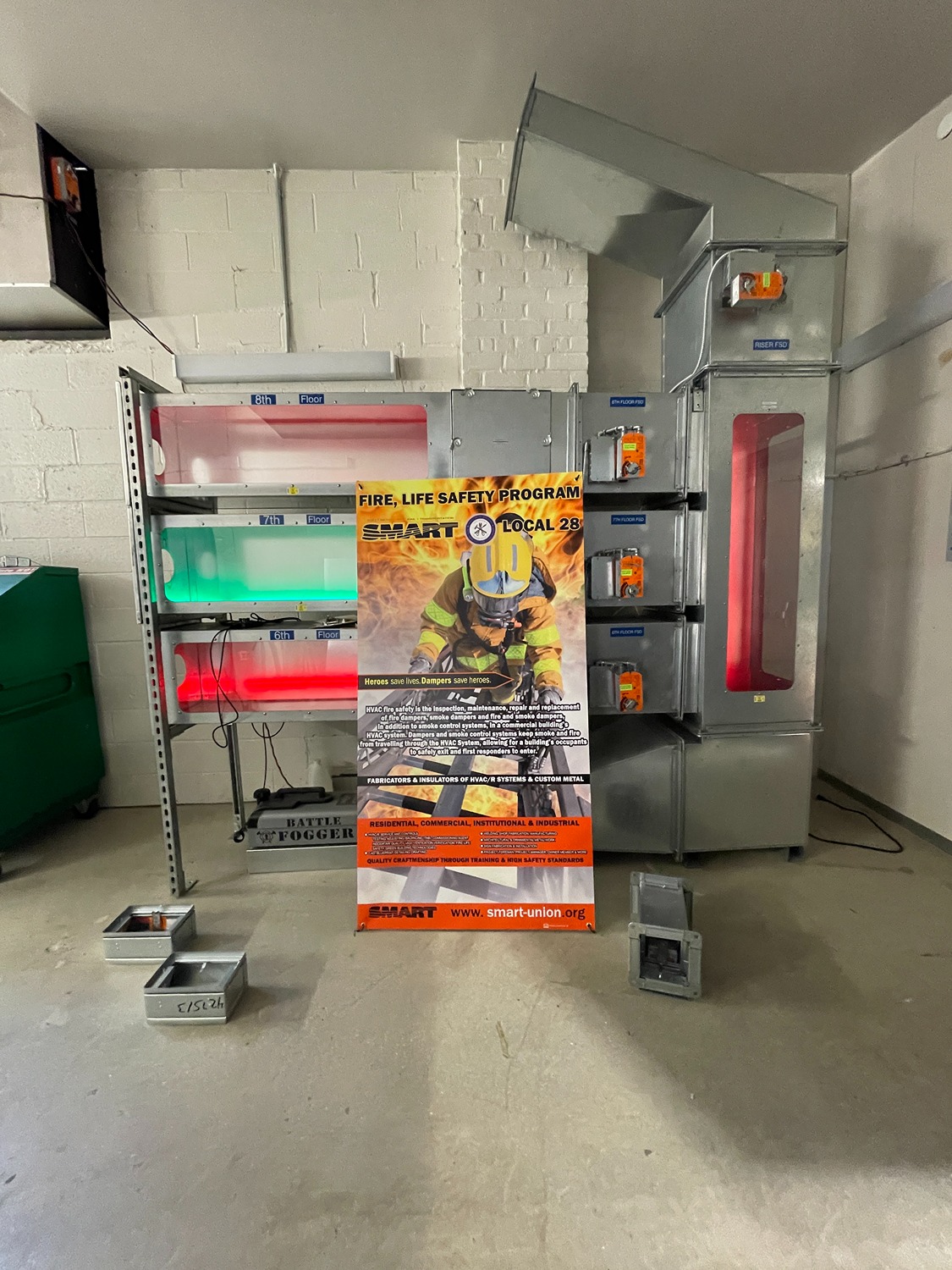
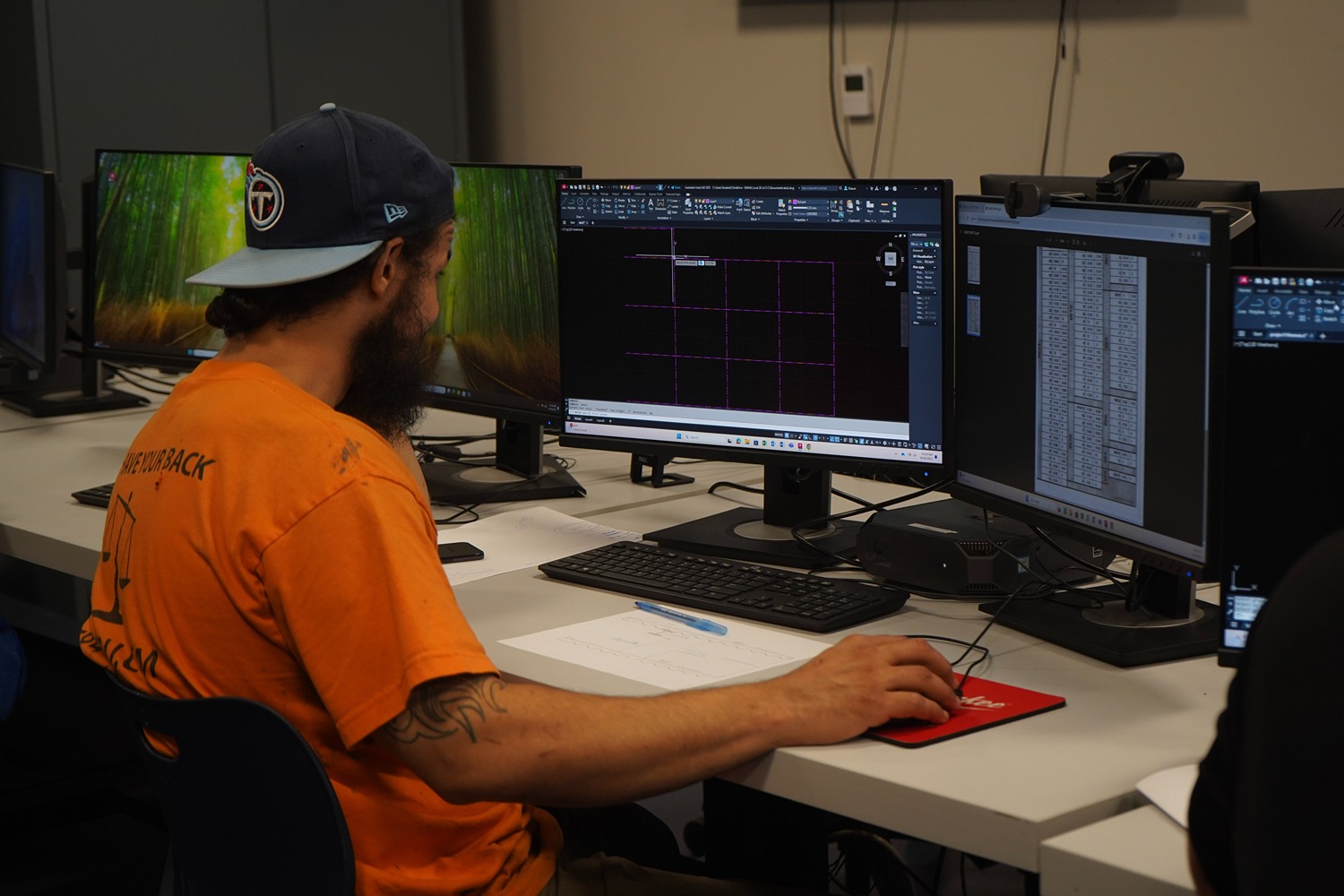
Drafting in the Commercial HVAC Trade
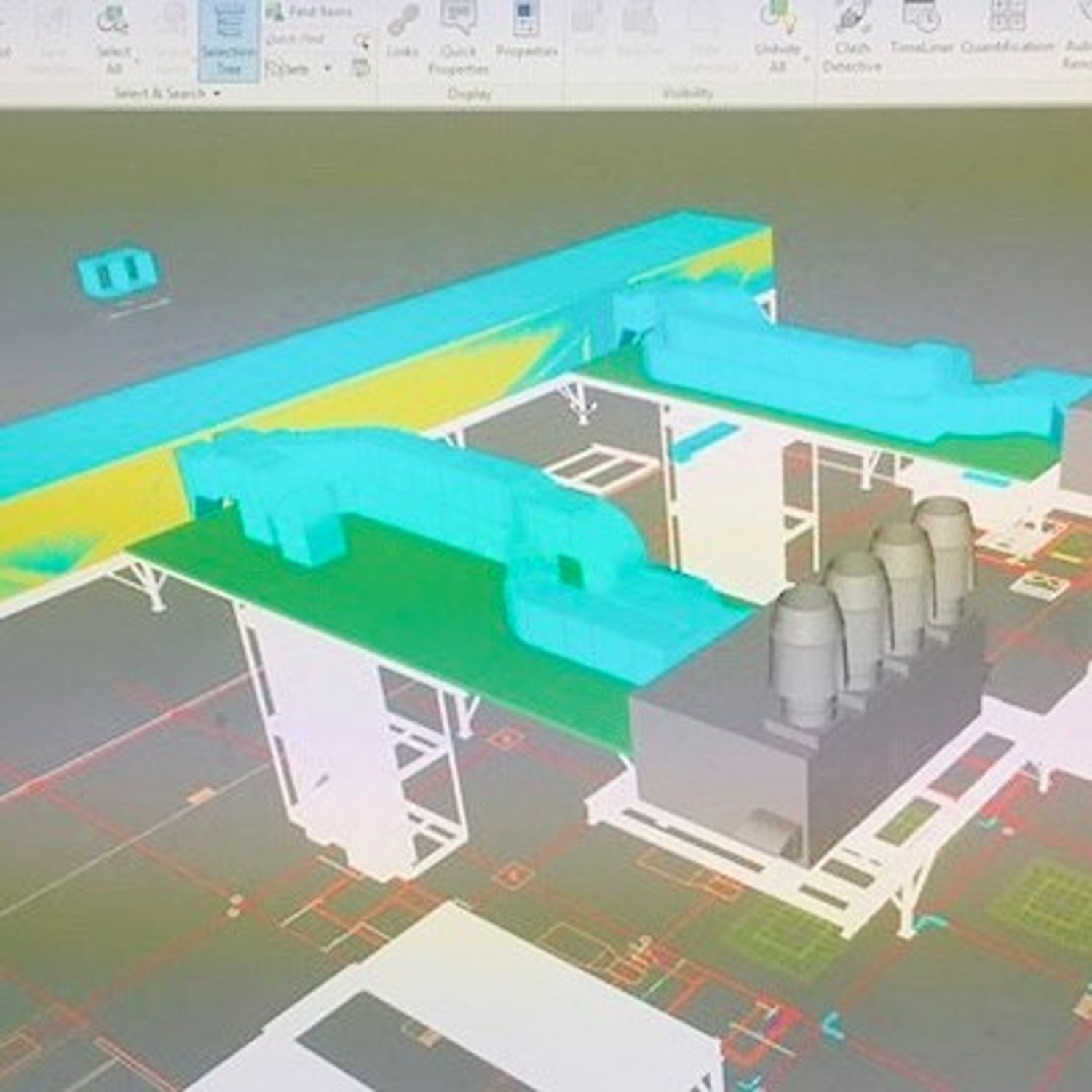
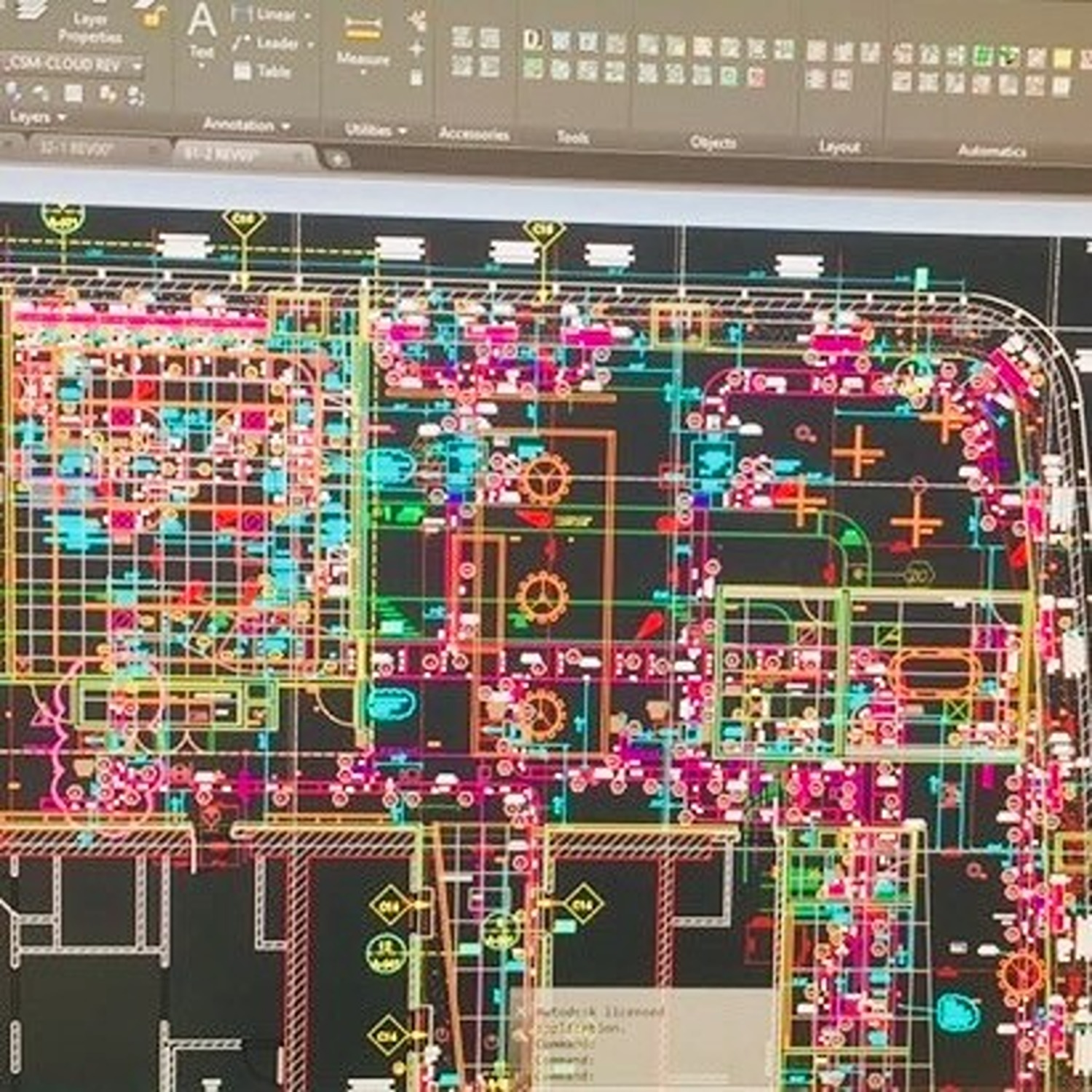
Drafting—also known as sketching—is a critical skill in the commercial HVAC industry. While often associated with CAD (Computer-Aided Drafting), it extends beyond digital drawings to encompass essential coordination between fabricators and installers from various trades.
What Does a Certified Drafter Do?
A certified drafter is a highly skilled professional who serves as a bridge between hardware fabricators and installers. Their responsibilities include:
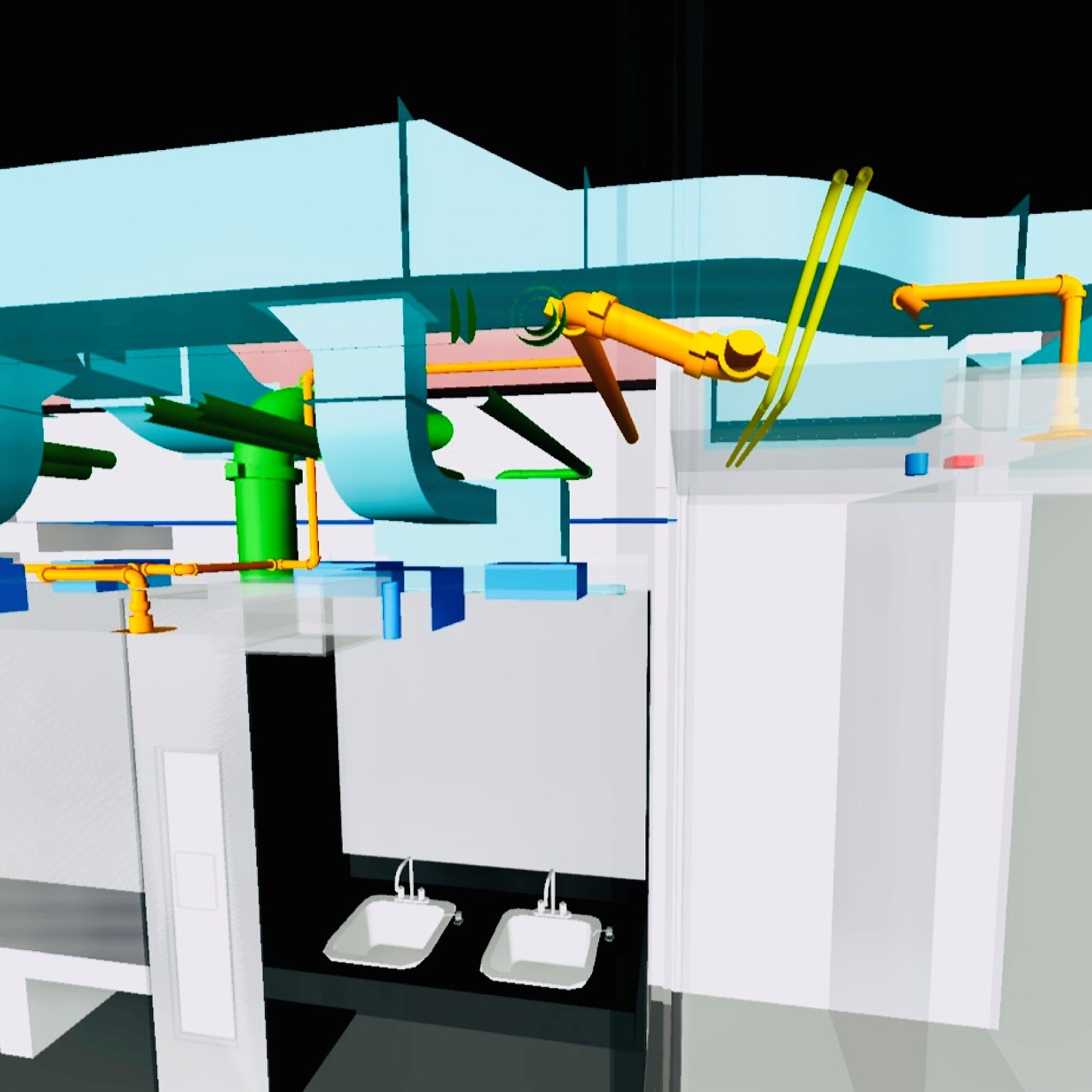
One essential tool in this field is Building Information Modeling (BIM), a cutting-edge software taught at many local training centers.
Career Opportunities in Drafting
This field offers numerous opportunities for growth, making it a great career choice for those who enjoy precision, problem-solving, and technology.
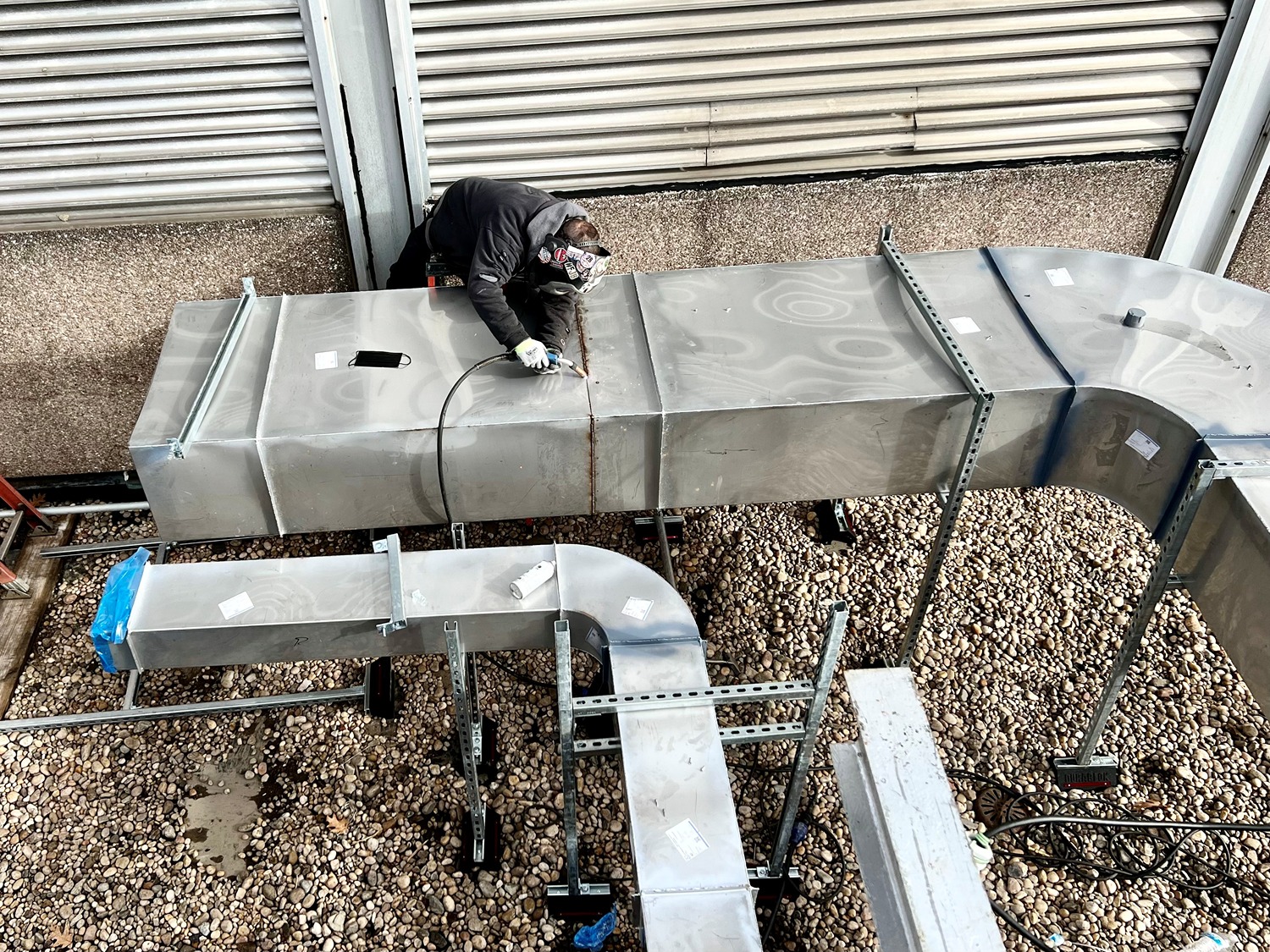
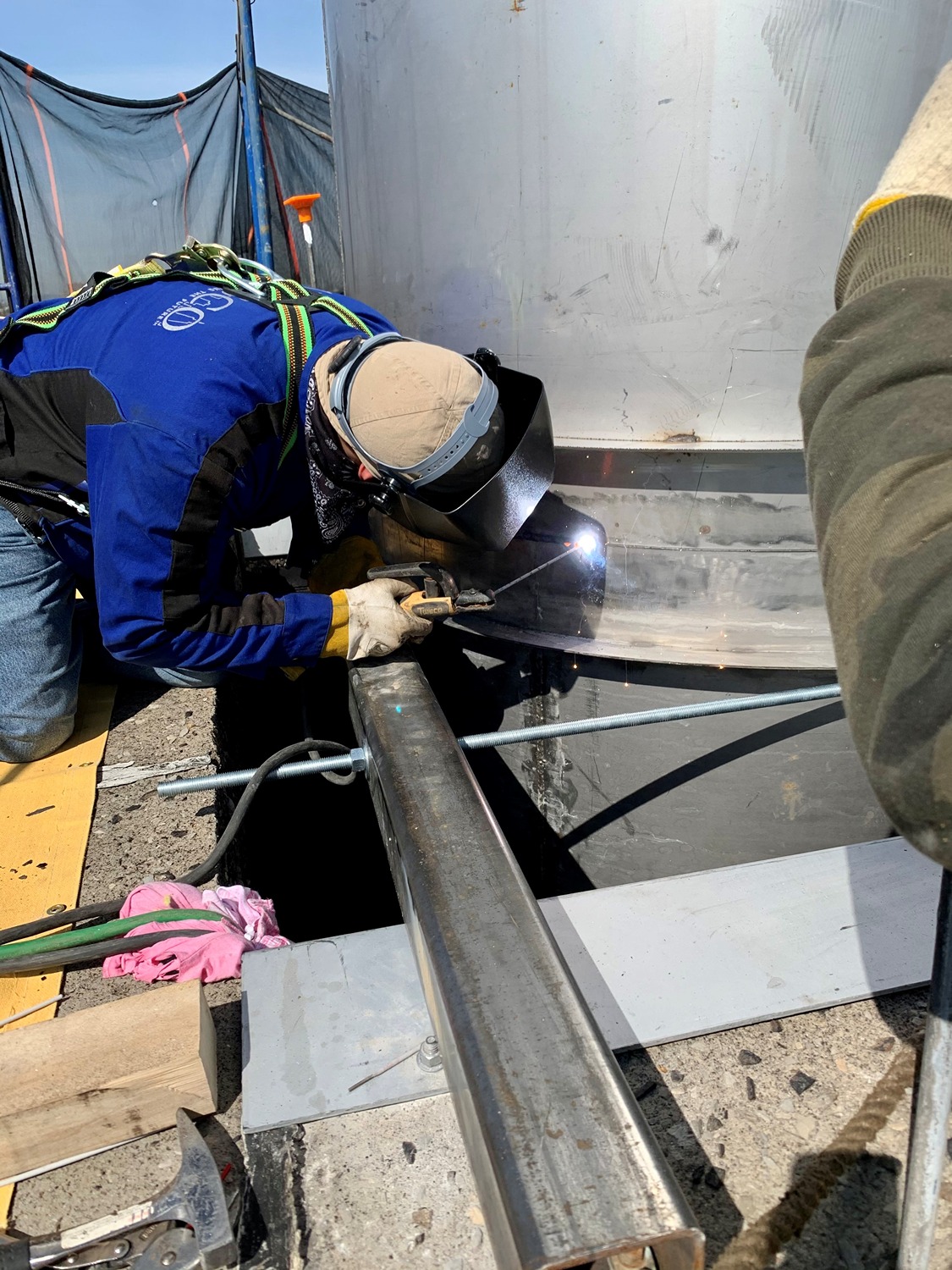
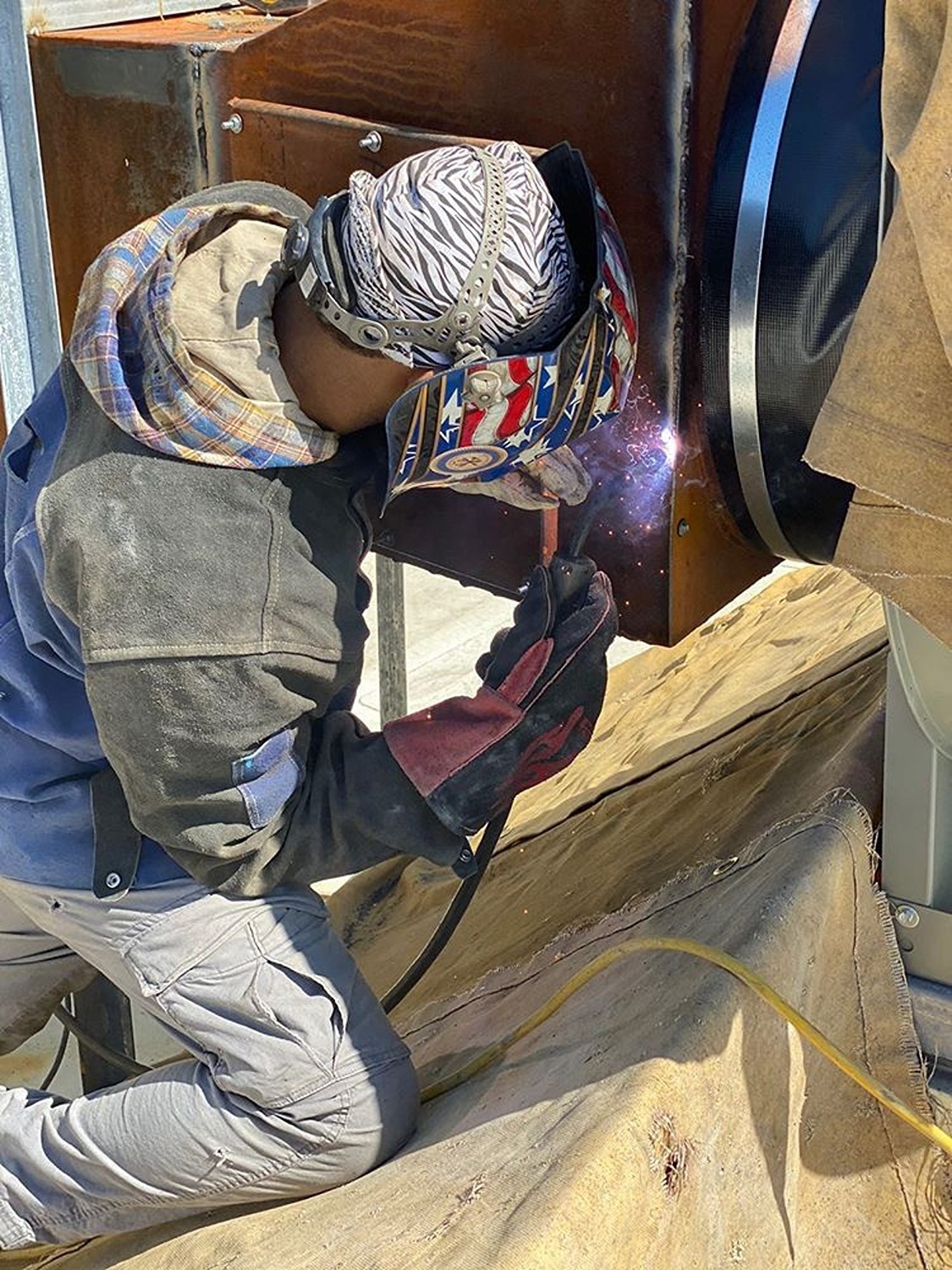
Welding stands as the most cost-effective and efficient method of permanently joining metals. It is the only process capable of fusing two or more metal pieces together, creating a unified structure. Whether outdoors, indoors, underwater, or even in the vastness of outer space, welding can be performed in virtually any environment.
At Local 28, we specialize in four primary types of welding:
All of our welders are certified by the American Welding Society (AWS), ensuring the highest standards of craftsmanship.
Opportunities in this field include:
Basics & Beyond
If you're interested, please contact Sofia at sofia@local28edfund.org to register.
Local Union 28 Quick Certification for Lapsed Members:
This program helps members who have let their AWS welding certification expire. The training center will offer quick certification sessions as needed. Priority will be given to those on the welding list, based on first come, first served.
Eligibility requirements:
One of the benefits of being a Local 28 member is our Welding Program. Our welders have an opportunity to train and certify at our American Welding Society (AWS) Accredited Testing Facility. We have on staff AWS certified Welding Educators and Welding Inspectors to train our members in any code or process of welding. For information on member training call (718) 297-5570.
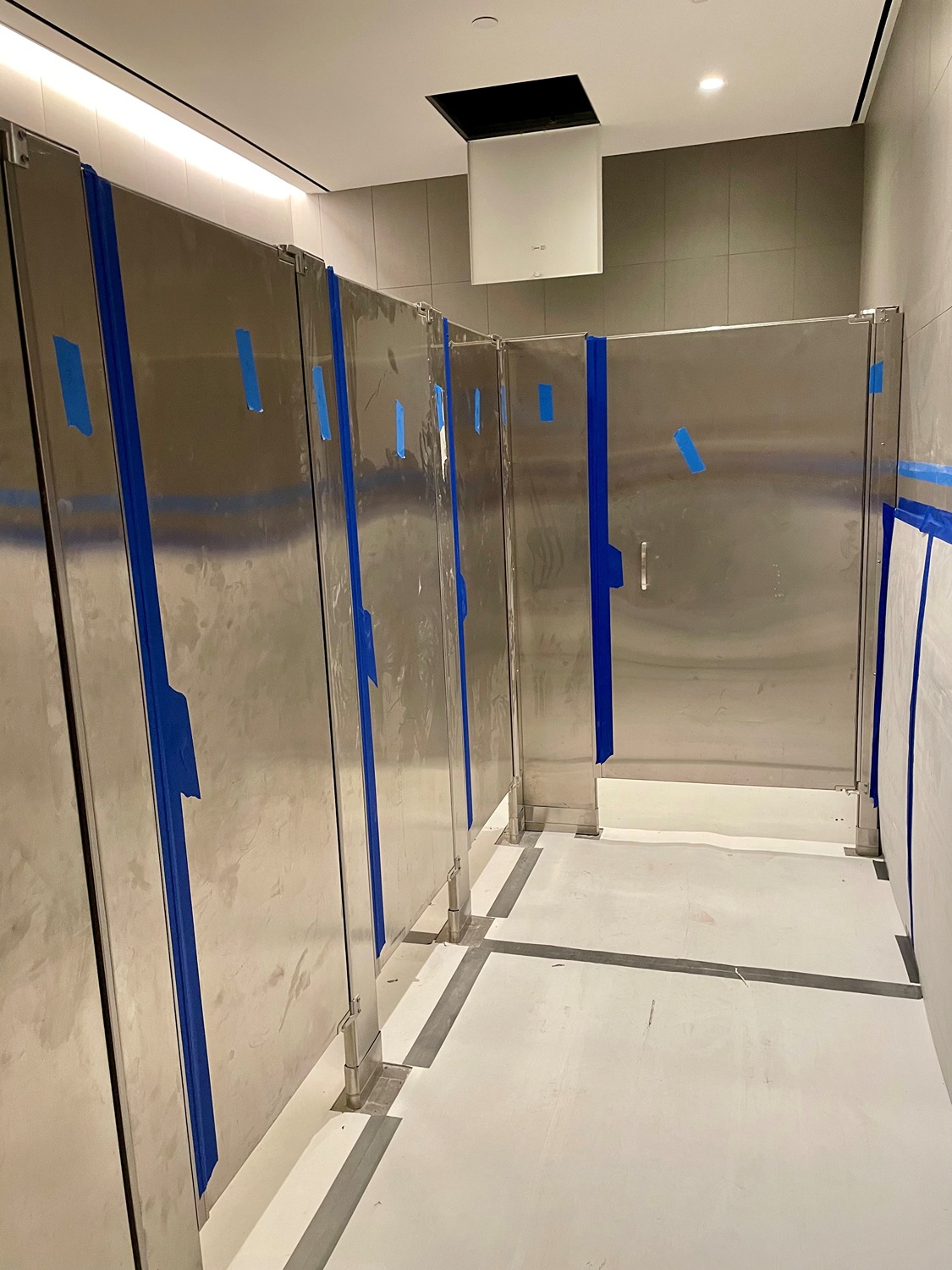
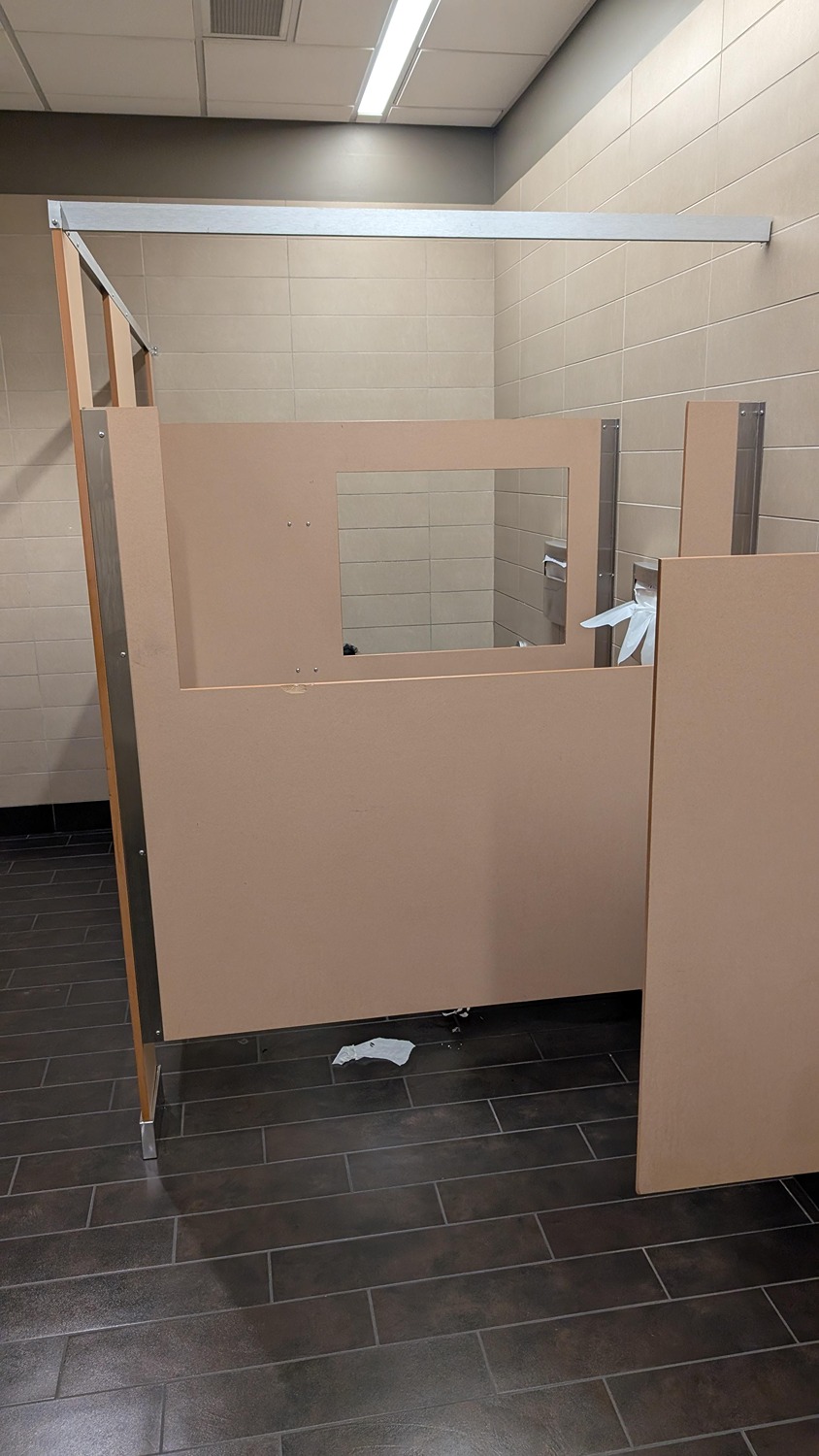
Sheet Metal Workers play an important role in the fabrication and installation of toilet partitions, particularly in commercial, institutional, and public facilities. They use precision tools and machinery to cut, form, and assemble metal panels, which are often made from stainless steel or powder-coated steel, to create durable, low-maintenance partitions that meet building codes and ADA requirements. During installation, we ensure accurate alignment and secure mounting of panels, doors, and hardware to provide privacy, accessibility, and long-term stability. Our attention to detail and knowledge of layout specifications are critical in delivering a finished product that is both functional and visually consistent with the overall restroom design.
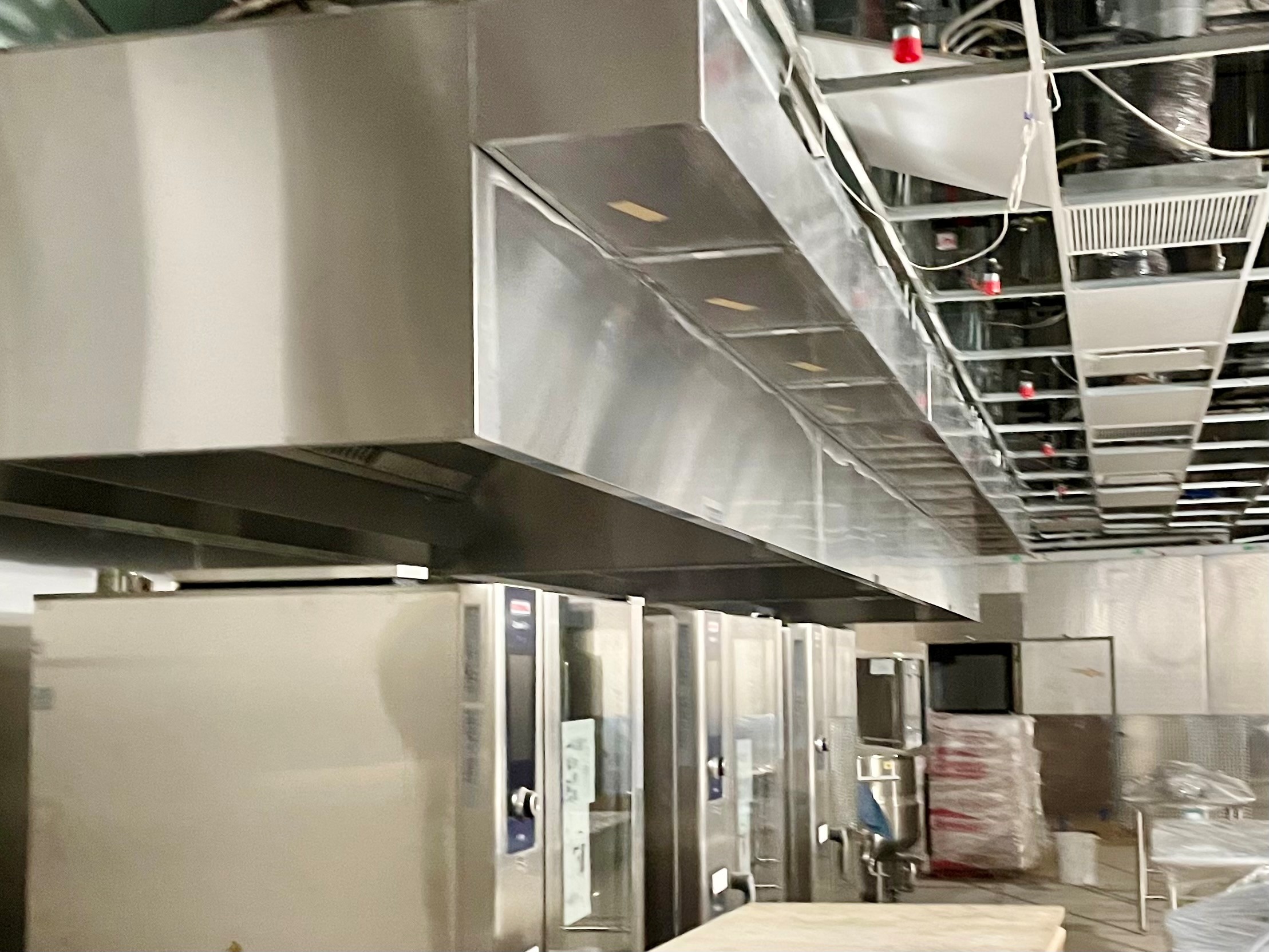
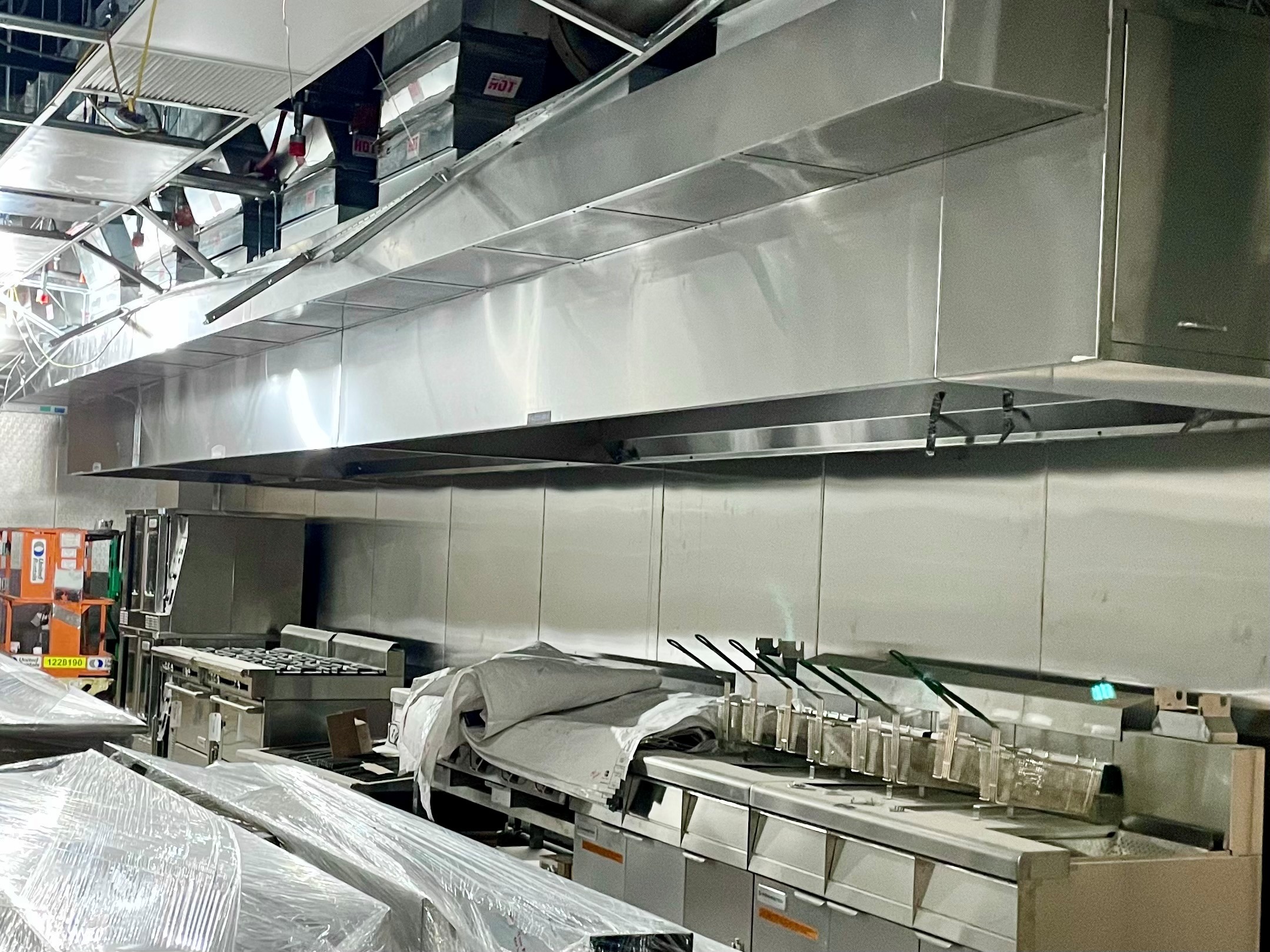
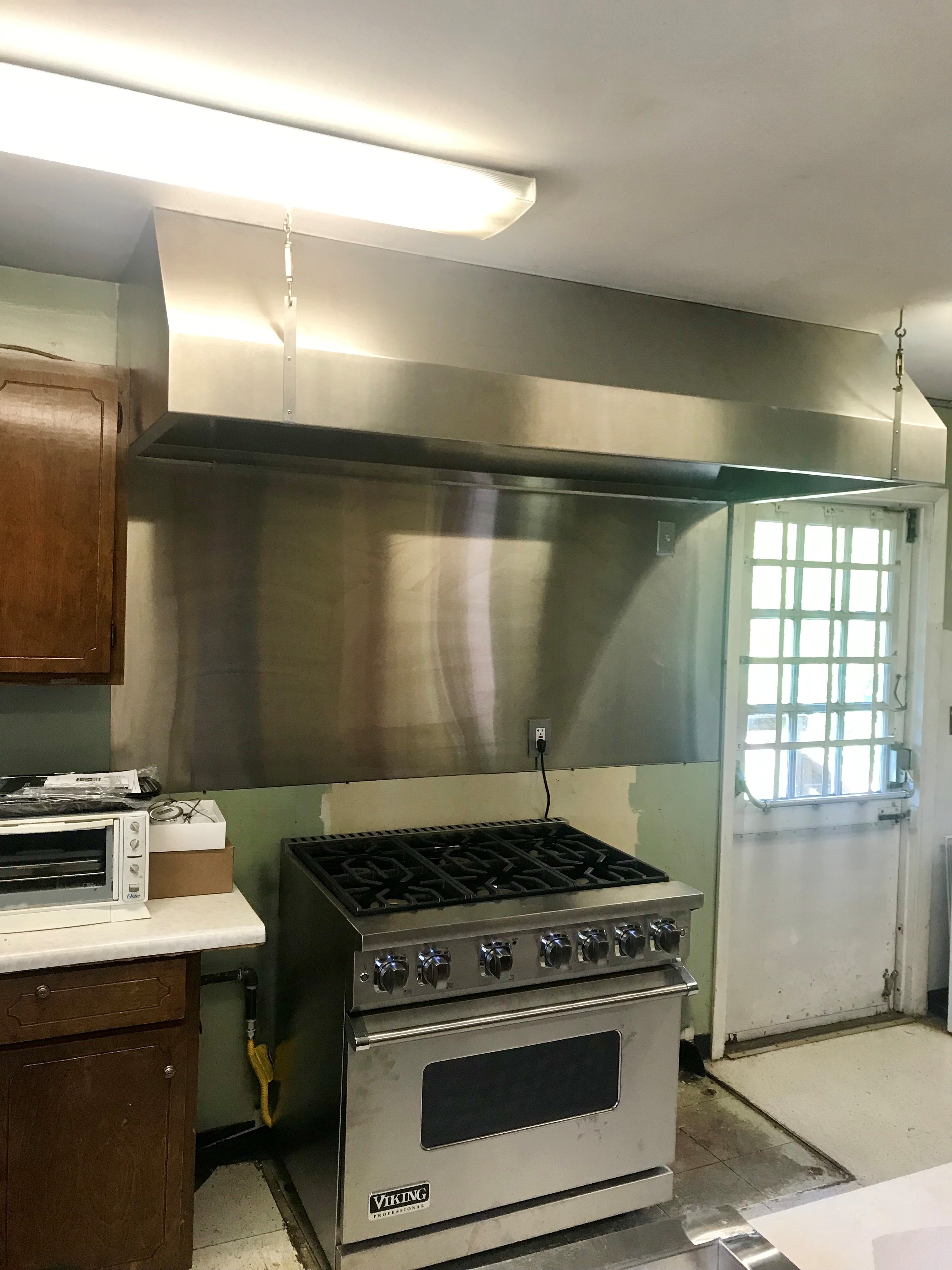
Sheet Metal Workers play a crucial role in the fabrication and installation of kitchen equipment, particularly in commercial and industrial settings. We are responsible for crafting custom stainless-steel countertops, ventilation hoods, ductwork, shelving, and other essential components using specialized tools and machinery. Our work ensures that kitchen systems meet strict health, safety, and ventilation codes. During installation, Sheet Metal Workers precisely measure and fit components, coordinating with plumbers, electricians, and contractors to integrate the equipment seamlessly. Our craftsmanship directly impacts the durability and functionality of professional kitchens, making our expertise essential to successful kitchen construction and renovation projects.
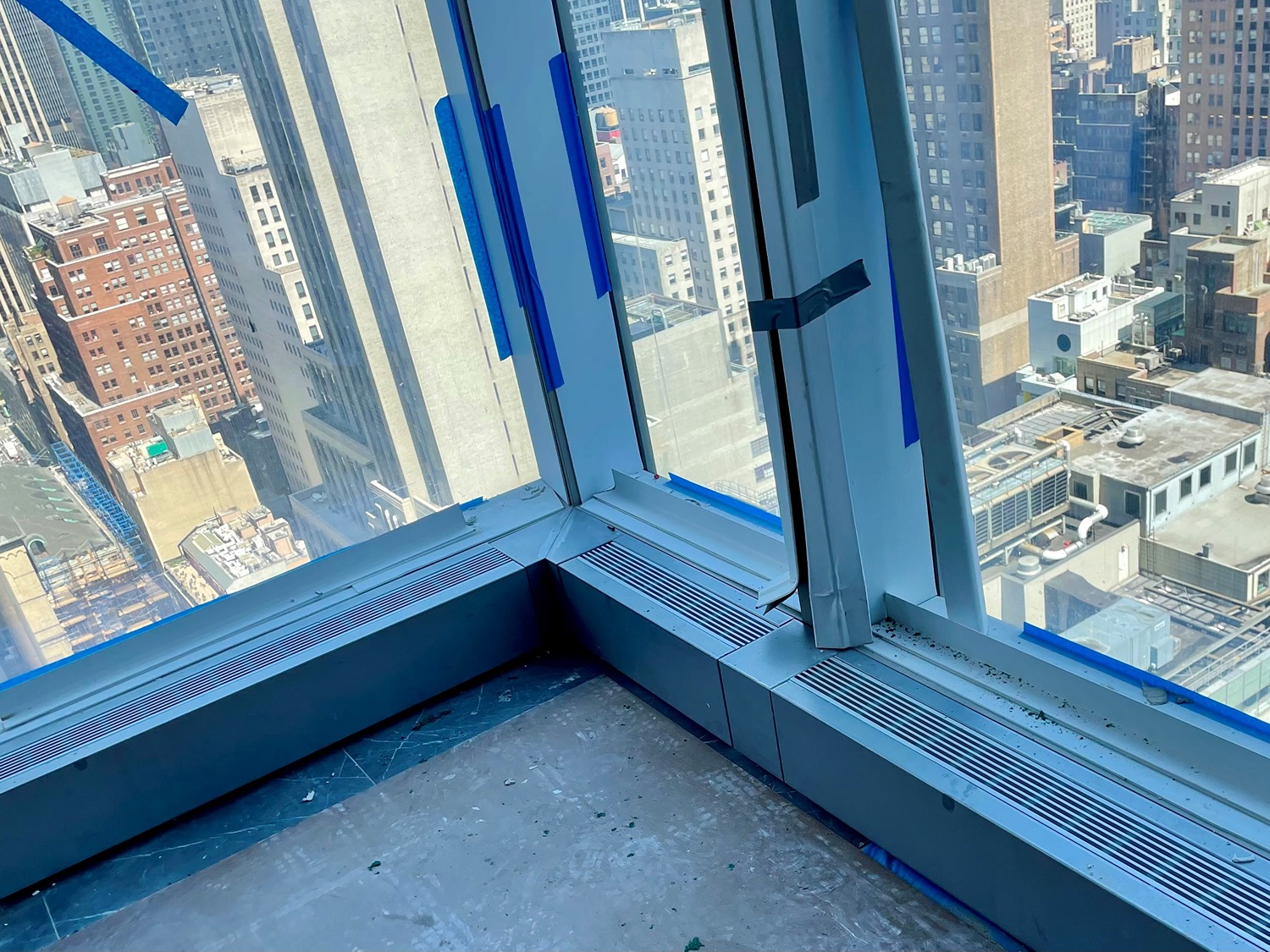
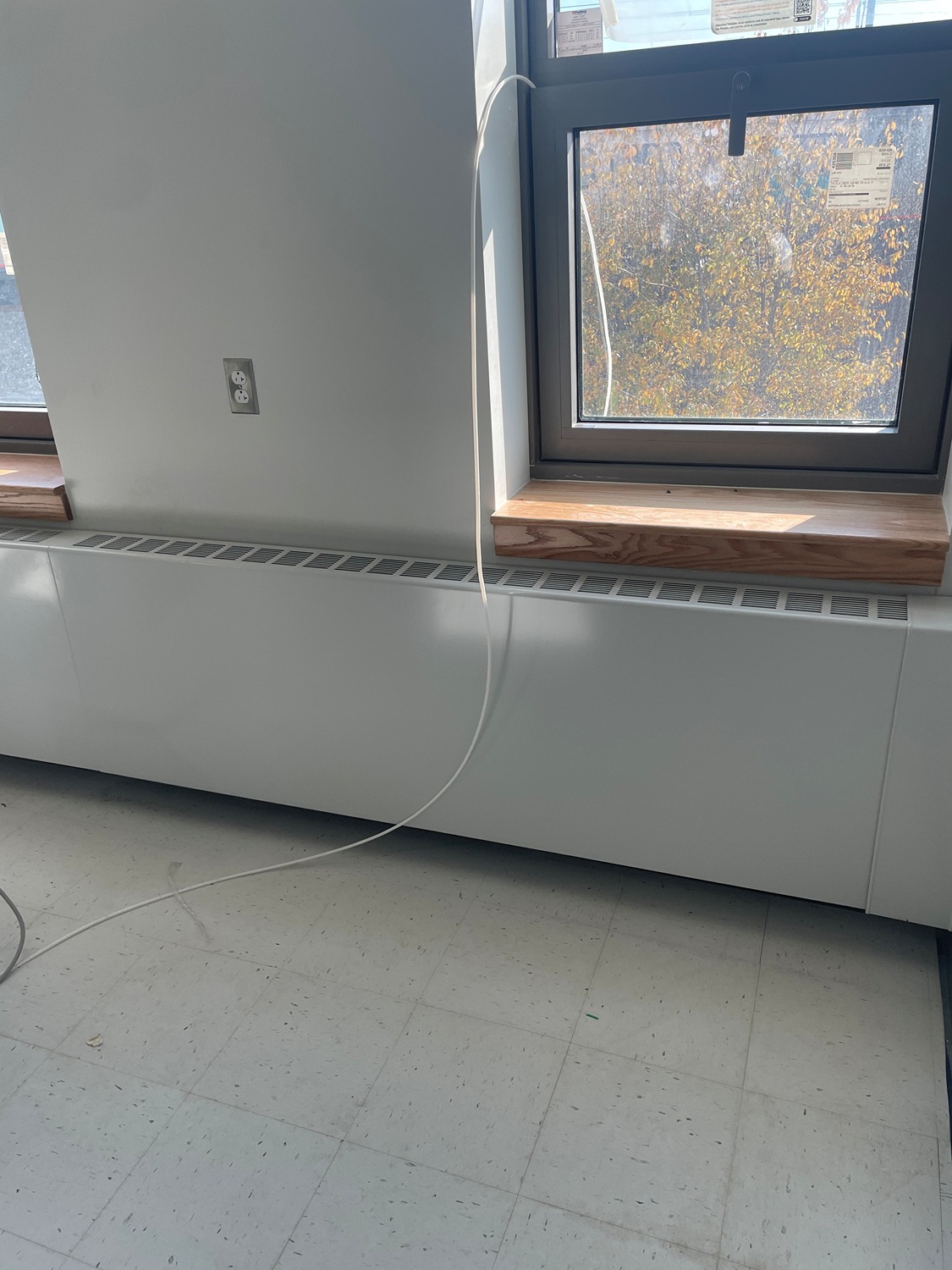
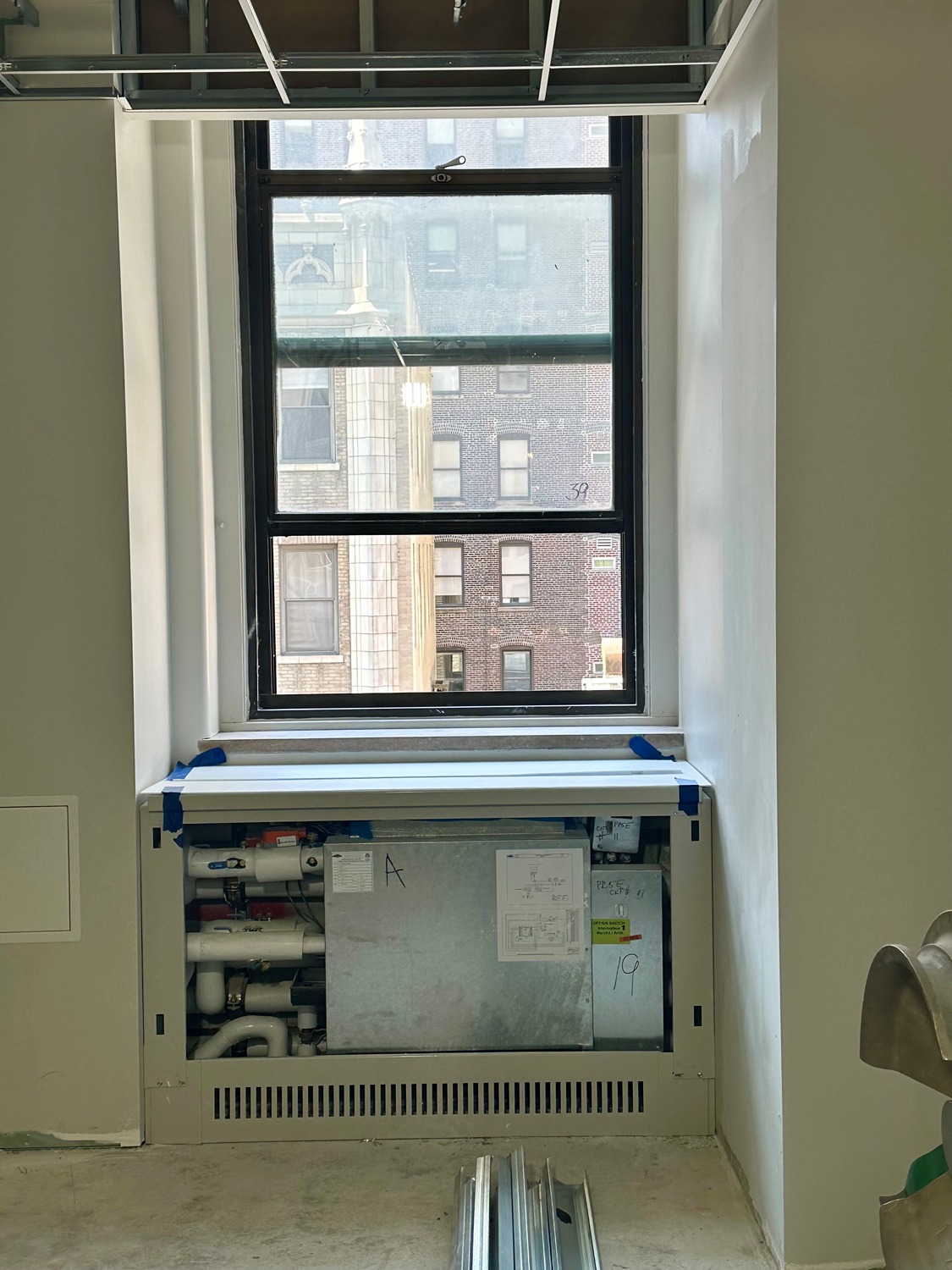
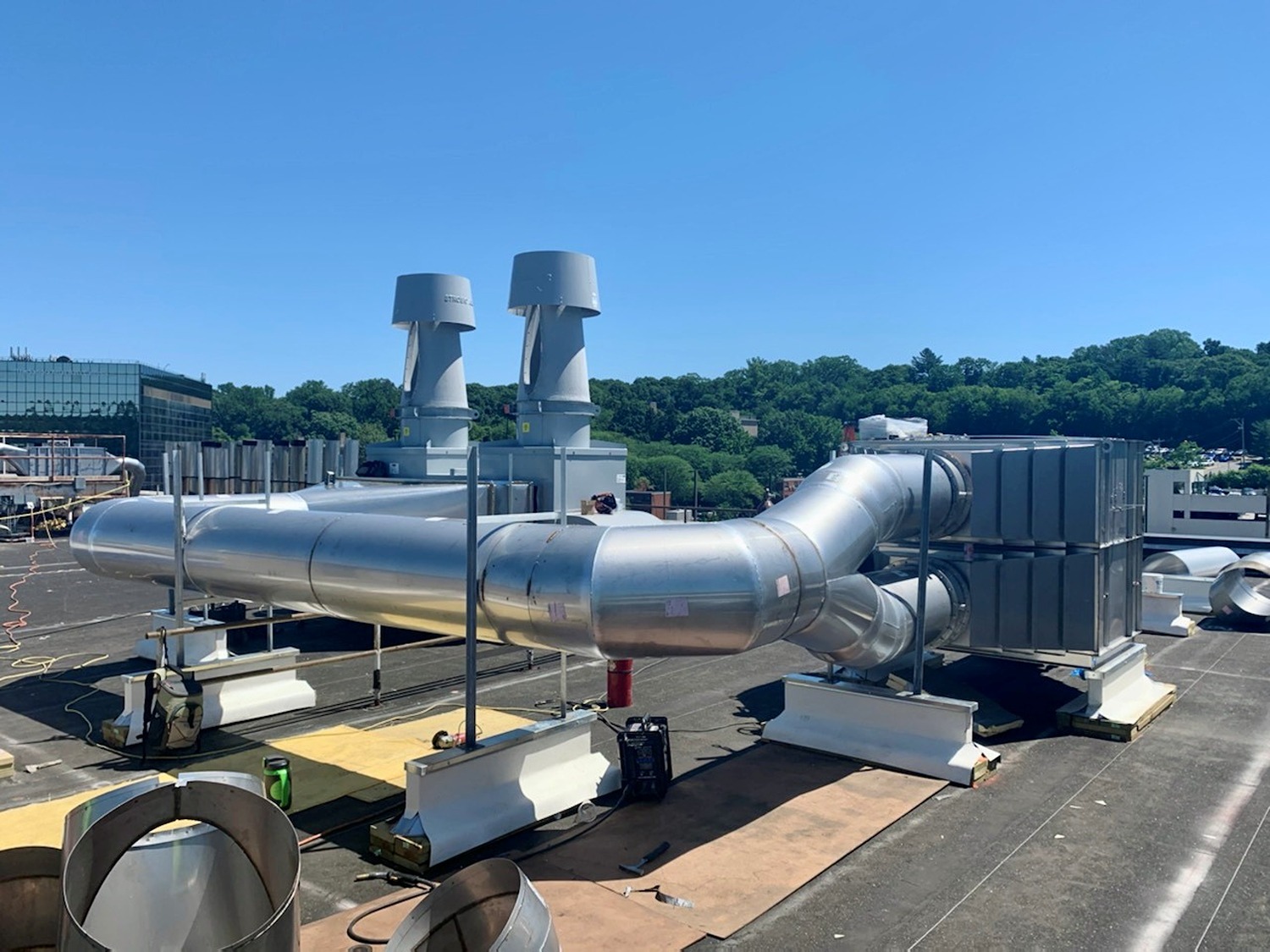
HVAC enclosures in buildings serve as both protective and visually appealing coverings for heating, ventilation, and air-conditioning (HVAC) equipment, as well as the piping and conduit that support these systems. These enclosures play a vital role in safety, equipment longevity, energy efficiency, and building code compliance.
Purpose and Benefits
Aesthetics: HVAC enclosures hide exposed pipes, ductwork, and outdoor mechanical units that might detract from the appearance of a space, helping maintain a clean and professional look.
Protection: They safeguard valuable mechanical components from weather, physical damage, vandalism, and theft; an essential function for rooftop or ground-level installations in commercial, industrial, and public buildings.
Safety: Enclosures create a barrier between occupants and hot, cold, or electrically energized components, as well as moving parts, which is especially important in high-traffic environments such as schools, hospitals, and office buildings.
Performance and Efficiency: By insulating equipment and shielding it from extreme temperature swings, enclosures help HVAC systems operate more efficiently, reducing energy consumption and extending equipment life.
Noise Reduction: Properly designed enclosures can significantly reduce operational noise, improving comfort inside the building and minimizing disturbances to the surrounding area.
Code Compliance: Many building codes require specific types of mechanical protection, fire-rated barriers, and penetration enclosures to address life-safety risks such as fire spread, water infiltration, and electrical hazards.